Client Discovery Meetings: Our Design Process Revealed

What Are Client Discovery Meetings and Why They Matter
At Schiano Studios, we believe that great web design doesn't start with Figma or code—it starts with understanding. Client discovery meetings are the foundation of every successful project we undertake. These sessions are where we dig deep into your business, goals, target audience, and vision before a single design element is created.
Too many agencies jump straight into design without asking the right questions. This approach leads to websites that look beautiful but don't drive results. Our discovery process ensures that every design decision is intentional, strategic, and aligned with your business objectives.
Think of discovery as detective work. We're investigating your industry, competitors, customer pain points, and market opportunities. We're asking tough questions that you might not have considered. And we're documenting everything so that our entire team—designers, developers, and strategists—operates from the same understanding.
Pre-Meeting Preparation: Setting the Stage
Before we ever sit down with a client, our team conducts preliminary research. We analyze your current website (if you have one), explore your competitors' digital presence, and review any existing branding materials. We create a research brief that guides our conversation and ensures we're asking informed, relevant questions.
We also prepare a detailed agenda that we share with the client beforehand. This transparency helps you arrive prepared and makes the meeting more productive. We ask clients to bring stakeholders from different departments—marketing, sales, operations—because different perspectives reveal different insights.
During this prep phase, we also assess your technical environment. Are you currently using any marketing tools? What's your analytics setup? Do you have existing content management systems? Understanding your tech stack helps us recommend solutions that integrate seamlessly with your existing workflows.
The Discovery Meeting Structure: Asking the Right Questions
Our discovery meetings typically run 90 minutes to 2 hours, depending on project complexity. We structure them around five core areas: business goals, audience understanding, competitive landscape, technical requirements, and timeline/budget realities.
First, we explore your business. What problem does your company solve? How has your industry changed in the last 3-5 years? What are your revenue goals? What metrics matter most to your success? These questions establish the business context for everything we design.
Next, we dive into your audience. Who are your ideal customers? What are their pain points and motivations? How do they currently find solutions like yours? What decisions drive their purchasing process? Understanding your audience is non-negotiable for user experience design.
We then examine your competitive landscape. Who are your direct competitors? What's working on their websites? What gaps do you see in how they're serving customers? This competitive analysis helps us identify opportunities for differentiation.
Finally, we discuss technical requirements and logistics. What features are essential versus nice-to-have? Do you need e-commerce functionality, membership systems, or custom integrations? What's your timeline and budget? Being transparent about constraints helps us recommend realistic solutions.
Active Listening and Documentation: Capturing the Full Picture
During the meeting, one of our team members takes detailed notes while others actively listen and ask follow-up questions. We use a combination of note-taking and audio recording (with permission) to ensure we capture everything accurately. We've learned that the best insights often come from follow-up questions that probe deeper into initial answers.
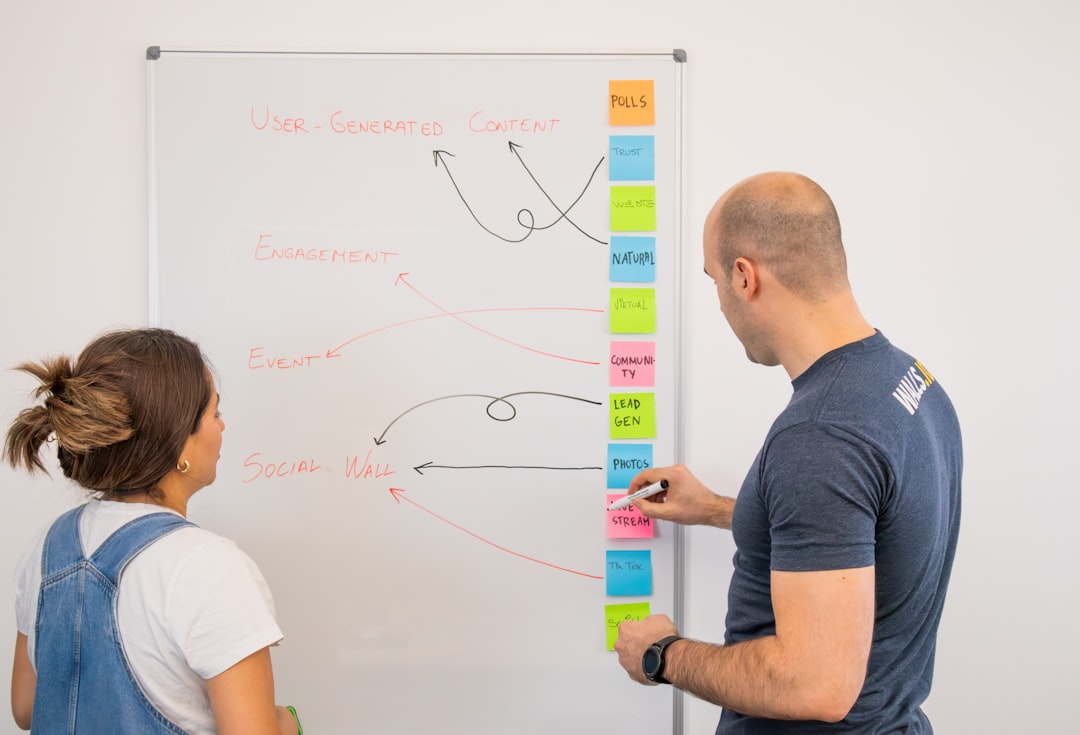
We also use collaborative tools like Miro boards during meetings when clients are visual thinkers. Mapping out user journeys, competitor features, or site structure on a digital whiteboard helps everyone align in real-time. It's also a great way to identify gaps or contradictions in thinking before we leave the meeting.
We encourage clients to share examples of websites they admire—from any industry. These references provide visual inspiration and reveal aesthetic preferences. We also ask about websites they dislike and why. This comparative analysis helps our designers understand what resonates with the client.
The Post-Meeting Deliverable: Turning Insights into Strategy
Within a week of the discovery meeting, we deliver a comprehensive discovery report. This document includes a business summary, audience personas, competitive analysis, recommended features and functionality, technical architecture overview, and a project roadmap.
The discovery report serves multiple purposes. It confirms our understanding with the client, establishes alignment across all stakeholders, and provides a reference document for our entire team throughout the project. We've had clients tell us that the discovery report itself is valuable—it clarifies their own thinking about their business and customers.
The report also includes a proposed sitemap, feature prioritization matrix, and design/development timeline. This gives clients a clear picture of what they're getting and how the project will unfold.
Why This Process Delivers Better Results
Our structured approach to client discovery ensures that the website we design actually solves real business problems and resonates with real users. It reduces revision rounds because we're building from a solid foundation of shared understanding. It also helps clients feel heard and invested in the process from day one.
The discovery phase typically adds 2-3 weeks to project timelines, but it saves months of back-and-forth later. It's an investment that pays dividends in project quality, client satisfaction, and measurable results.
If you're planning a web design project, demand a thorough discovery process from your agency. If an agency wants to start designing before understanding your business, that's a red flag. Great design is informed design, and informed design starts with great discovery.