
How We Cut Project Setup Time in Half

The Challenge: Where Time Was Being Lost
When we looked at our project timelines over the past year, we noticed a frustrating pattern: projects were consistently delayed before any actual design work even began. Our client onboarding process—the phase where we gathered requirements, created contracts, set up project management tools, and aligned on goals—was taking an average of 3-4 weeks.
This wasn't just inefficient; it was impacting client satisfaction. Excited new clients were losing momentum during the setup phase, and our team was juggling multiple onboarding tasks alongside active projects, creating bottlenecks throughout the agency.
We decided to conduct an in-depth audit of our onboarding workflow. We tracked every step, identified redundancies, and asked our team where they were spending the most time. What we discovered was enlightening: we had no standardized process. Different team members were handling onboarding differently, information was scattered across emails and spreadsheets, and clients were often asked to provide the same information multiple times in different formats.
The root causes became clear: lack of automation, unclear communication protocols, and tools that weren't integrated with our existing systems. We knew we had to rebuild our entire onboarding experience from scratch.
Step 1: Mapping the Ideal Client Journey
Before implementing any new tools or processes, we mapped out the ideal client onboarding experience from the client's perspective. What should happen on day one? What information do we absolutely need before starting discovery? When should clients feel confident they're in good hands?
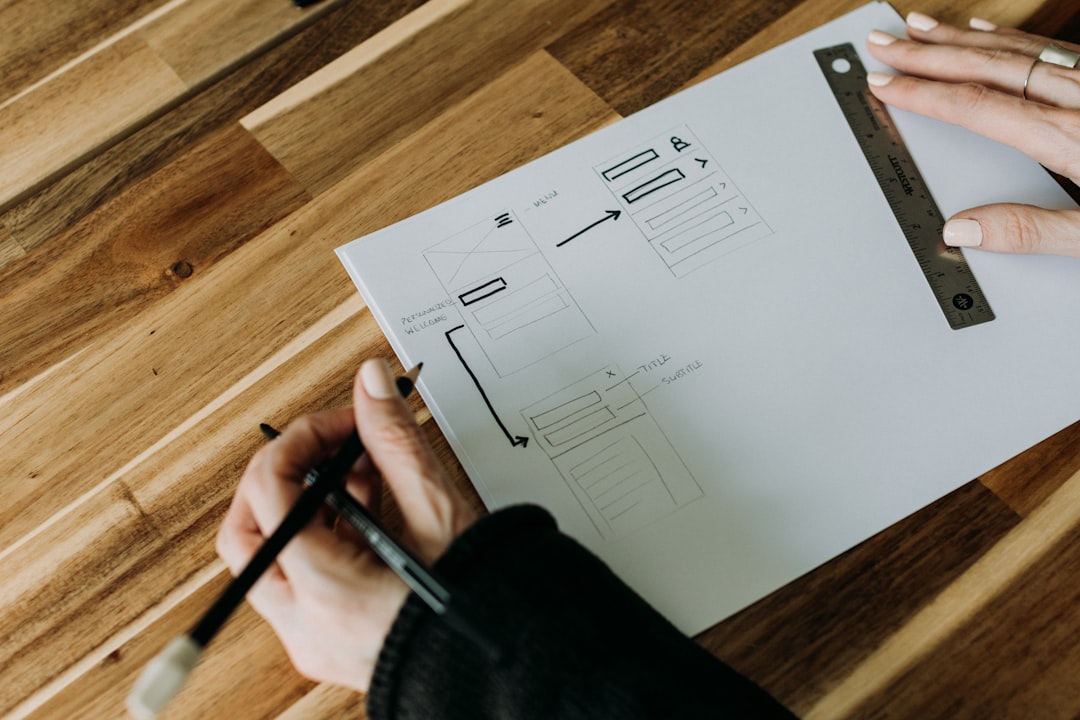
We created a comprehensive flowchart that included every touchpoint, decision point, and deliverable. This became our north star throughout the redesign. By visualizing the entire journey, we realized we could compress what was happening over 4 weeks into a more efficient timeline without sacrificing quality or thoroughness.
One key insight: clients didn't need to wait for every step to complete sequentially. Many tasks could happen in parallel. For example, while our designer was reviewing the intake form, our account manager could be setting up project management tools and scheduling discovery sessions.
Step 2: Implementing Automation and Integration
With our ideal journey mapped, we invested in three key tools that transformed our process: a sophisticated form automation platform, integrated project management software, and a document management system. More importantly, we connected these tools so data flowed seamlessly without manual re-entry.
Here's what changed: When a client signed our discovery questionnaire, it automatically created a project in our system, triggered a welcome email sequence, and populated our internal briefing document. No more manual data entry. No more emails asking for information we already had.
We also created templated workflows for different project types (e-commerce sites, corporate redesigns, brand identity packages). Each template pre-configured timelines, milestones, and team assignments, cutting setup time from hours to minutes.
Step 3: Standardizing Communication and Documentation
We established a clear communication protocol: clients received a welcome packet with everything they needed to know within 24 hours of signing. This included project timeline, team bios, communication preferences, and next steps. No surprises, no confusion.
We also created templated discovery agendas and questionnaires customized by project type. This standardization meant our team could prepare better, clients knew exactly what to expect, and we gathered consistent information across all projects.
The Results: From 3 Weeks to 10 Days
After implementing these changes, our average project setup time dropped from 21 days to 10 days—a 52% reduction. But the benefits extended beyond timeline compression: client satisfaction increased because they felt guided and informed, our team had more clarity and less repetitive work, and projects started with more complete information, reducing back-and-forth during the design phase.
Perhaps most importantly, this newfound efficiency allowed us to take on more projects without proportionally increasing overhead. Our capacity increased by 30% simply by eliminating waste in our onboarding process.
Key Takeaways for Your Agency
If your agency is struggling with onboarding delays, start by mapping your current process and identifying specific bottlenecks. Look for automation opportunities and tool integrations that eliminate manual work. Standardize what can be standardized while preserving the personalized touch that makes clients feel valued. And remember: your onboarding process is your clients' first impression of your professionalism and efficiency. Invest in it.