How We Restructured Our Design Process for 40% Faster Delivery
The Challenge: Speed vs. Quality
When we started 2024, our team at Schiano Studios faced a common agency dilemma. Our clients wanted faster turnarounds, our team was stretched thin managing multiple projects, and quality was beginning to slip through the cracks. We knew something had to change, but we refused to sacrifice the premium design work our reputation was built on.
After months of analyzing our workflow, conducting team retrospectives, and researching industry best practices, we implemented a comprehensive restructuring of our entire design process. The results? A 40% reduction in project timelines without a single quality compromise—and happier clients to boot.
Phase 1: Audit and Analysis
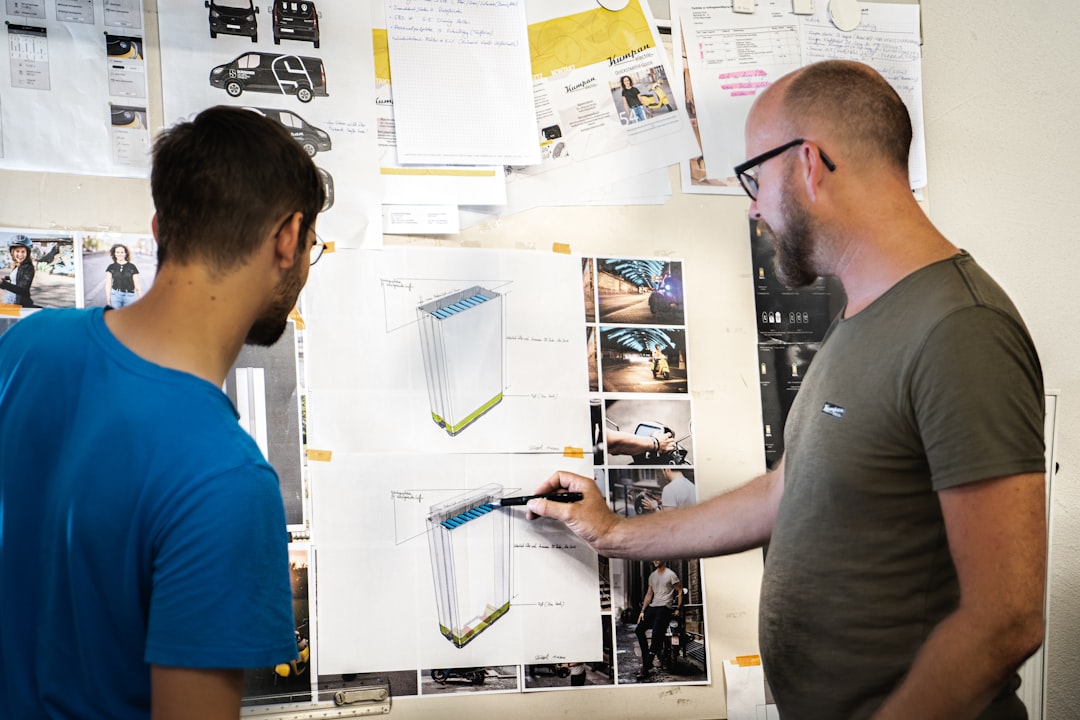
Before making changes, we needed to understand exactly where time was being lost. We tracked every design project for 60 days, documenting each phase from discovery through delivery. The data was eye-opening: we were spending excessive time on revisions, rework, and communication gaps between teams.
Key findings revealed that 35% of our timeline involved revision cycles that could have been prevented with clearer initial requirements. Another 20% was lost to context-switching between projects and unclear handoffs between designers and developers. We also discovered redundant approval processes that added days to timelines without adding value.
Armed with this data, we created a prioritized list of improvements. Rather than overhauling everything at once, we identified the highest-impact changes that would deliver immediate results while building momentum for larger changes.
Phase 2: Streamlined Discovery and Strategy
Our first major change involved condensing the discovery phase. We developed a comprehensive discovery template that captured all essential information without endless meetings. This 2-hour discovery sprint replaced our previous 4-5 hour multi-meeting approach.
We created visual requirement worksheets that helped clients articulate their needs more clearly upfront. This single change reduced revision requests by 28% because everyone was aligned from day one. We also established a 'requirements lock' checkpoint where stakeholders sign off on project scope before design work begins.
Phase 3: Design System Implementation
Perhaps our most impactful change was implementing a robust design system. Rather than starting each project from scratch, designers now work from pre-built component libraries, color systems, and typography scales. This eliminated hours of foundational design work while maintaining flexibility for custom elements.
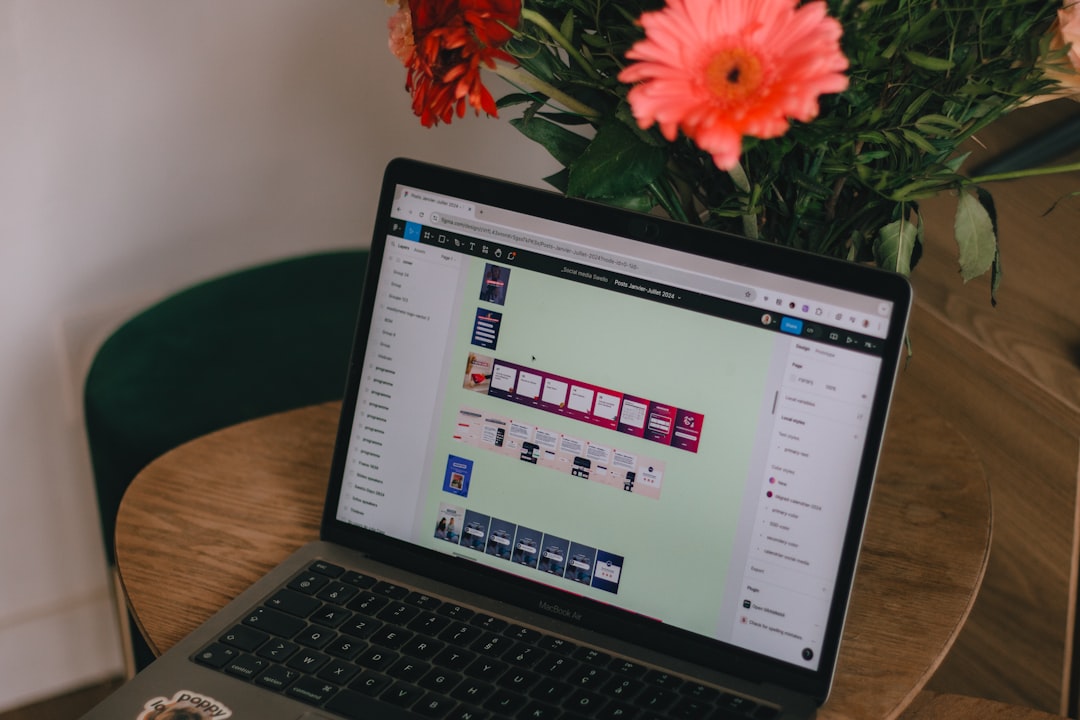
We created Figma libraries organized by project type—e-commerce, SaaS, corporate sites—allowing designers to rapidly prototype while maintaining brand consistency. Initial design concepts that previously took 40 hours now take 12 hours, freeing bandwidth for refinement and innovation.
Phase 4: Parallel Workflows and Design-Dev Handoff
Our traditional sequential workflow—design complete, then hand off to developers—created bottlenecks. We restructured to allow designers and developers to work in parallel during later project phases. Developers begin infrastructure work while design refinement continues, overlapping timelines that previously ran sequentially.
We also completely revamped our design-to-development handoff process. Instead of vague Figma exports and email updates, we implemented Handoff—a tool that auto-generates specs directly from our design files. This eliminated hours spent documenting spacing, colors, and interactions. Developers had pixel-perfect specifications instantly, reducing back-and-forth clarification meetings by 65%.
Phase 5: Feedback and Review Protocols
We established structured review windows rather than continuous feedback. Instead of constant Slack messages and mid-project direction changes, stakeholder reviews happen at defined checkpoints: end of wireframes, design exploration phase, and design refinement. This prevents scope creep and keeps projects moving forward without losing agility.
Each review uses a standardized feedback form that guides clients to provide specific, actionable comments rather than vague impressions. This simple change reduced revision rounds from an average of 4.2 to 2.1 per project phase.
Phase 6: Automation and Tooling
We invested in automating repetitive tasks. Repetitive production work—resizing assets, generating multiple file formats, creating documentation—is now handled through scripts and automation tools. Designers spend less time on busywork and more time on creative problem-solving.
We also implemented project management automation, eliminating manual status updates. Time tracking, milestone notifications, and client updates now happen automatically, saving our team 4 hours per week across all projects.
The Results: Beyond 40%
Our restructured process delivered a 40% average project timeline reduction, but individual results varied. E-commerce projects saw 45% improvements, while complex SaaS designs achieved 38% reductions. More importantly, client satisfaction scores increased to 9.4/10, and our team reported significantly lower stress levels.
The financial impact was substantial: we could take on 40% more projects with the same team size, increasing revenue without proportional increases in overhead or hiring costs.
Key Takeaways for Your Agency
If you're looking to accelerate your design process, start with data. Audit your actual workflows, not your theoretical ones. Focus on your biggest bottlenecks first—for us, that was revision cycles and discovery clarity. Implement changes incrementally rather than all at once, measuring impact at each stage.
Invest in systems and tools that reduce friction. A design system and better handoff tools paid for themselves within weeks. Finally, involve your team in the restructuring process. Our best ideas came from designers and developers who lived with the inefficiencies daily.
Quality and speed aren't opposing forces when you eliminate waste and build smarter workflows. At Schiano Studios, we've proven you can deliver projects significantly faster while raising quality standards—and creating a better workplace culture in the process.